You Don't Have to Bounce Back. You Get to Become Someone New.
By Laurie Groh, MS LPC SAS · 2026-06-26 · 7 min read
You weren't supposed to go back. Matrescence, birth healing, the BRAINS framework, and why your nervous system can't be talked into safety — with Dr. Katarina Meister and Katie Fortune, LPC.
There's a sentence I've heard in some version of this conversation a hundred times: "I just want to feel like myself again." And I get it. But somewhere between the hospital discharge papers and your first solo grocery run with a newborn, somebody — maybe a magazine, maybe a well-meaning aunt, maybe the voice in your own head — told you the goal was to get back. Back to your body. Back to your energy. Back to the woman you were before. I want to gently push on that. Because I don't think you're supposed to go back at all. In this episode, I sat down with two women I learned a lot from: Dr. Katarina Meister, a functional medicine doctor who helps women prepare for pregnancy and postpartum, and Katie Fortune, a licensed perinatal therapist. I'm a mom of four — including twins who are ten now — so this one was personal. And the thread that ran through the whole conversation was this: becoming a mother isn't a thing that happens to you and then resolves. It's a transformation. Katarina said it plainly — "We are becoming a new woman through this process." The sooner we stop fighting that, she said, the sooner we get to the good stuff: the wisdom, the depth, the new rhythm.
There's a word for this. It's called matrescence.
Katie named it on the episode: matrescence. It's a developmental shift on the scale of adolescence — biological, psychological, and relational, all happening at once. Think about how much grace we give a teenager who's "going through it." Now notice how little we give a new mother, who's going through something just as big with a tiny human attached to her.
Your birth can be objectively fine and still be something you heal from.
Katarina was honest about how hard her own version was. Her twins came at 32 weeks. There was preterm labor, an unplanned C-section, a NICU stay, and the golden hour she didn't get — those first quiet moments holding your baby that you're promised and then, sometimes, aren't given. And here's the part that stopped me: even though her outcome was, in her words, "the best case scenario," she still grieved. Katie sees this constantly — moms who had an uncomplicated delivery but felt dismissed or unheard, and are surprised to find a trauma response showing up months later. Your birth can be objectively fine and still be something you need to heal from. Both things are true. You're allowed to hold them at the same time.
Advocacy, in a room where everyone knows more than you about medicine and less than you about you.
We spent real time on advocacy, because a hard birth often means making big decisions fast in a room full of people who know more than you about medicine and less than you about you. Katarina's advice was blunt and good: get the knowledge ahead of time, prepare for the unexpected (yes, even the NICU and the C-section you swore you wouldn't need), and then — this is the part I'd never thought of — make them put it in the chart. Say it out loud, say it again, and check that it's written down. Katie offered a framework I'm going to be handing clients for years: BRAINS.
- Benefits
- Risks
- Alternatives
- Intuition
- What happens if we do Nothing
- Space — permission to take a breath before you answer.
In a moment that feels urgent and scary, a little structure gives you back some footing.
You cannot talk your nervous system into feeling safe.
Then there's the healing, where the body and the mind stop being separate conversations. After the placenta delivers, estrogen and progesterone fall off a cliff, which is part of why depression, anxiety, and even thyroid issues become more likely. At the same time you're pouring nutrients into a baby through breastfeeding. Katarina's number-one prescription wasn't a supplement — it was nurture yourself again. Eat to rebuild. Get your iron, vitamin D, folate, magnesium, and thyroid checked. Keep taking the prenatal. And Katie added the piece I care most about: you cannot talk your nervous system into feeling safe. It has to actually feel safe — through rest, support, nourishment, and sometimes therapy. The body keeps its own schedule.
Who this episode is for
The woman who's pregnant and quietly terrified. The one who's nine months postpartum and just now exhaling. The one whose baby is two, or ten, and who still hasn't told her birth story to anyone who really listened. You don't need a diagnosis to deserve support. You just need to be a person who went through something big. Here's what I see in my practice, and I'm not going to hedge it: the women who heal fastest aren't the ones who power through. They're the ones who let themselves be taken care of — who ask for help before they're drowning, who tell the story until it loses its grip, who let "becoming someone new" be a thing they get to do instead of a loss to mourn.
One small thing to try today
Before you book anything, name one way your freedom looks different now — and instead of grieving it, get curious about it. (Mine was that I couldn't run to Target at 9pm anymore. Turns out I don't even want to now.) That tiny reframe — this is different, not worse — is where a lot of the healing quietly starts.
🎧 Listen to the full episode: Coming soon. Join the newsletter and we'll send it the morning it lands. 💬 Want to talk to a perinatal therapist? Book a free consult with Katie at Shoreside.
Featured in this conversation
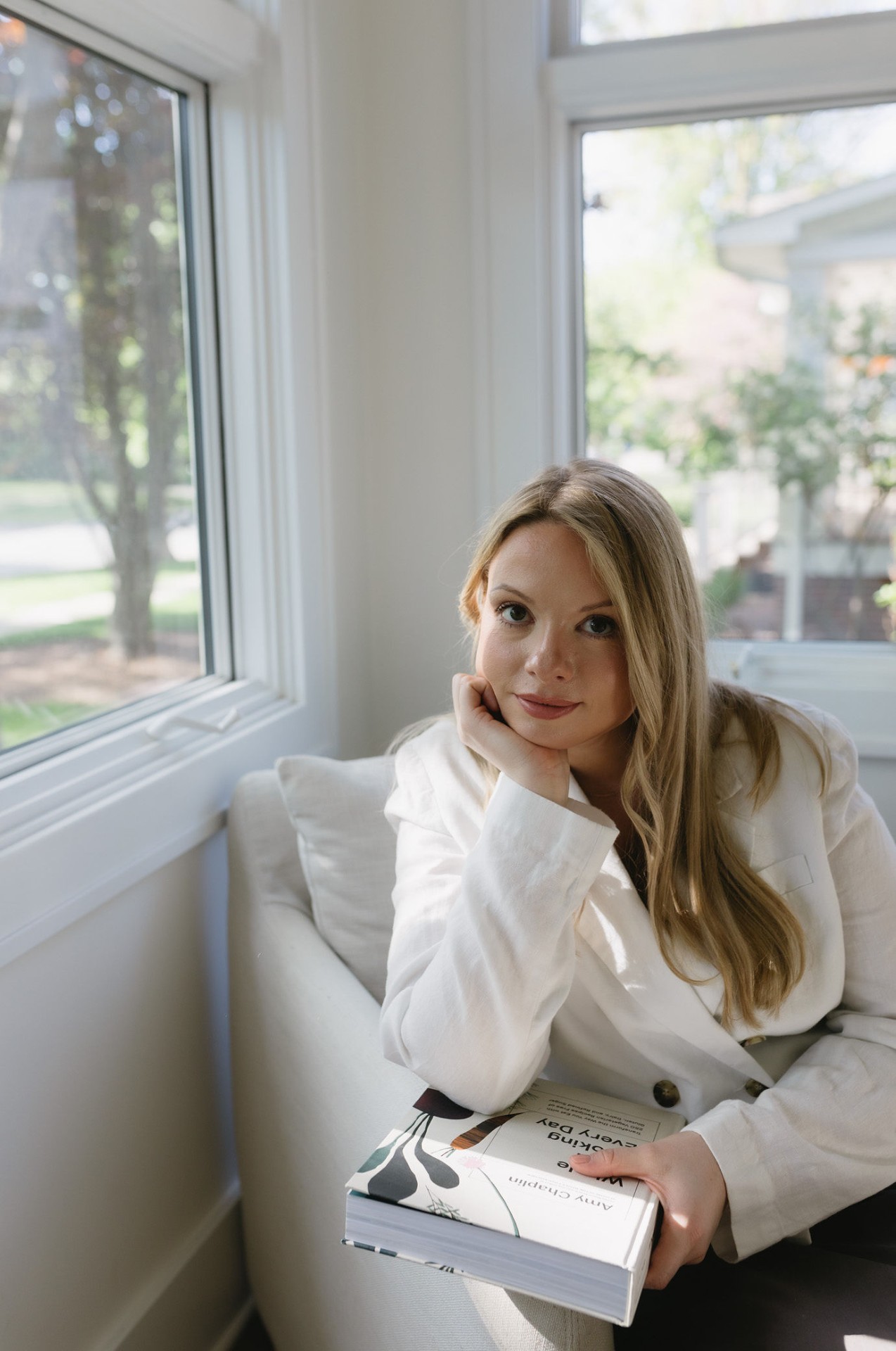 Dr. Katarina Meister — Functional medicine doctor helping women prepare their bodies and minds for pregnancy and postpartum recovery.
 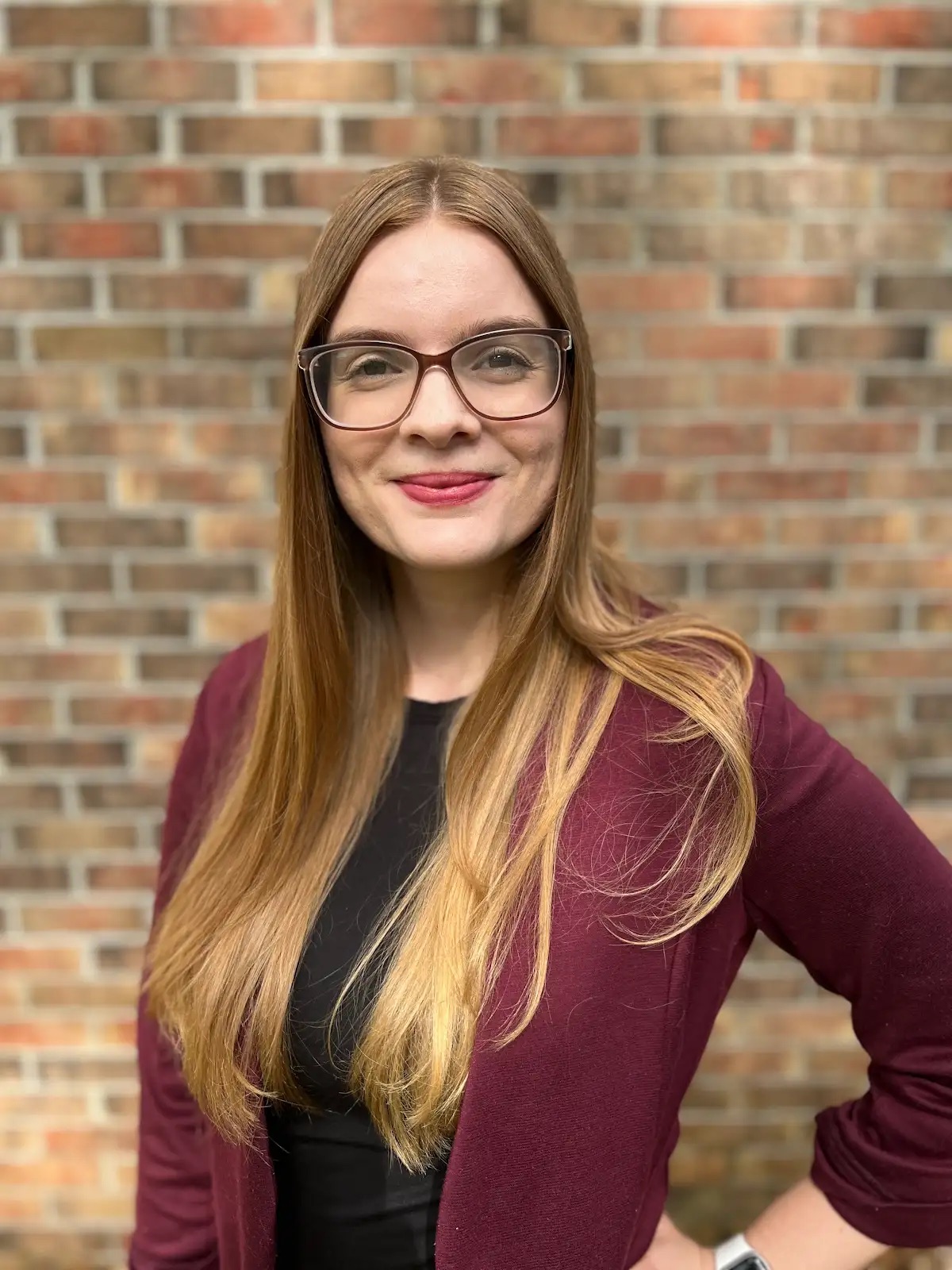 Katie Fortune, MA, LPC, NCC — Licensed perinatal therapist at Shoreside Therapies, supporting women through pregnancy, birth, and the matrescence years. Work with Katie