Why Wait for the Call? Inside Open Wings, a School Built Around Neurodiversity
By Laurie Groh, MS LPC SAS · 2026-08-02 · 5 min read
Most parents of neurodivergent kids know the dread of the school calling again. Here's what changes when a school is built around how kids actually learn — plus the frustration bag you can make this week.
If you parent a neurodivergent kid, you know the specific dread of your phone lighting up with the school's number. You haven't even answered and your body already knows the shape of the conversation.
In this episode of Without the Couch, I sat down with Jori Broidy, founder of Open Wings, and my Shoreside colleague Stacey Glasenapp to talk about what happens when a school is actually built around how neurodivergent kids learn — instead of asking kids to bend themselves into a system that was never designed for them.
The question that reframes everything
Jori opens with the question driving her work: "What if your child went to a school that believed in them?"
Not tolerated. Not managed. Believed in. That reframe runs through the whole conversation — class size, discipline, and what "support" actually looks like on a Tuesday afternoon.
The frustration bag (steal this one)
The most concrete takeaway is also the cheapest: the frustration bag. A simple, parent-made kit of things a kid is allowed to reach for when big feelings start building — a book, a fidget, a few blocks. You make two identical bags. One lives in their cubby at school, one lives at home. Same tool, same plan, both places, used before the meltdown instead of after it.
You don't need a new school to try that this week.
Staffing and structure, plainly
At Open Wings, six kids might have two teachers in the room. Speech, OT, and mental health therapists come on-site rather than making families coordinate outside appointments around a school day. For a lot of the families I work with, that's the difference between therapy feeling like one more errand and therapy feeling like part of their kid's actual day.
Jori is careful about how she says this, and I appreciate it: "It doesn't mean our schools are bad, it just means our kids need something else."
Behavior is communication
The idea that came up most: "Behavior is communication. They're trying to tell us something."
The kid getting up for a fourth drink of water usually isn't defiant. He's lost, a little embarrassed, and would rather look like a troublemaker than raise his hand. When adults treat a hard day as information instead of a discipline problem, the whole response changes.
If you're sitting with the question
Jori's advice for parents on the fence is direct: "Why wait for that call? Come to us now."
Her point isn't that every family needs a new school. It's that families deserve to trust their own read on their kid — because "you are your child's best advocate, and there's always something else out there for your kid."
🎧 Listen to the full episode to hear the rest, including what a typical day at Open Wings looks like. If it resonates, a quick review on your podcast platform genuinely helps more families find the show.
Want the longer version of this conversation? Read What if school believed in your kid? — and join the newsletter so you don't miss the episode.
Featured in this conversation
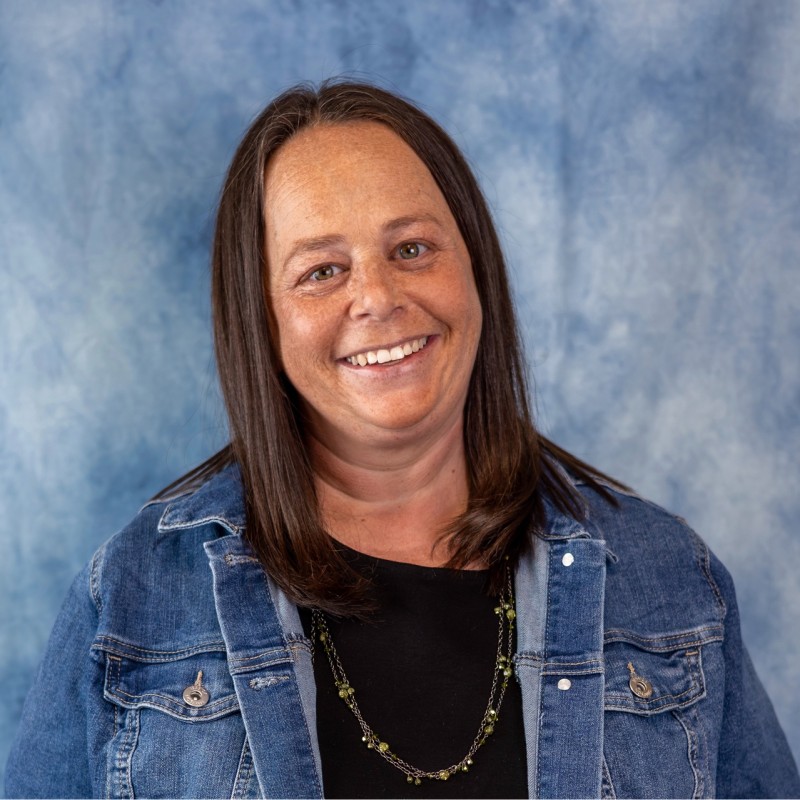 Jori Broidy — Founder, Open Wings Learning Community, a neurodiversity-affirming school in Kenosha and Milwaukee. openwingslearning.org
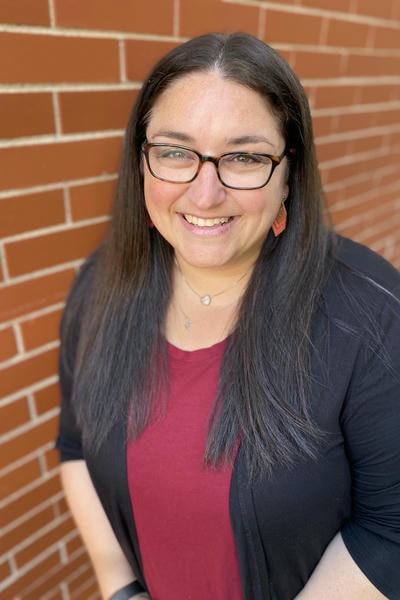 Stacey Glasenapp, MS LPC — Therapist at Shoreside Therapies, working with teens and the parents raising kids with extra needs. Work with Stacey