What if school believed in your kid?
By Laurie Groh, MS LPC SAS · 2026-06-25 · 6 min read
The call from school. The kid "acting out." What changes when a classroom is built to believe in your child — and what to borrow even if switching schools isn't on the table.
There''s a particular kind of dread a parent learns. It lives in your phone. You see the school''s number light up mid-morning and your stomach drops before you''ve even answered — because you already know it''s the call. Come get him. She''s having a hard day again. Can you talk to him about his behavior. If you''ve lived that, this episode is for you. I sat down with Jori Broidy, who directs Open Wings Learning Community — a neurodiversity-affirming school in Kenosha, and now Milwaukee — along with my Shoreside colleague Stacey Glasenapp, a therapist who works with teens and with the overwhelmed parents raising kids with extra needs. And the thing that stopped me was a sentence from their tagline: what if your child went to a school that believed in them? Not tolerated them. Not managed them. Believed in them.
What "built around belonging" actually looks like
Jori described kids who came running into the building on day one of the new Milwaukee campus — and who cried on the last day because they didn''t want the year to end. That''s not an accident. It''s what happens when you build a school around belonging: six kids to two teachers, a "learning partner" at each child''s level, two recesses a day no matter the Wisconsin weather, and the Zones of Regulation woven through every morning so a kid learns that being in the "blue zone" isn''t a problem to hide — it''s just information. Here''s the line I keep coming back to, and it was Stacey who said it: how can you learn if you don''t feel safe? It sounds almost too simple. But think about the kid who''s "acting out" in a class of thirty. Jori reframed it in a way I wish every adult heard: behavior is communication. The kid getting up for the fourth drink of water isn''t defiant — he''s lost, and embarrassed, and would rather look like a troublemaker than raise his hand and admit he doesn''t understand. A smaller room, a safer room, gives him another option.
You can borrow the approach — even if you can''t switch schools
And here''s the part I want you to hear if switching schools isn''t on the table. You can still borrow the approach. Mimic the school''s schedule at home. Ask the teacher what call-and-response gets the class''s attention and use it at the kitchen table. And my favorite tool from the whole conversation: the frustration bag. You build it with your kid — a few things they''re allowed to do when they''re frustrated (read a book, squeeze a fidget, those plus-plus blocks) — and you make two identical ones. One lives in their cubby; the teacher just points to it. One lives at home. Same bag, same plan, both places, so the coping becomes second nature instead of one more thing to remember.
Who this is for
Who is this for? The parent whose kid dreads Monday. The one mid-IEP, exhausted from the back-and-forth. The one wondering if the problem is really their child — or the room their child is sitting in. You don''t need a diagnosis to ask better questions. You just need to stop assuming your kid is the thing that''s broken. Here''s what I see in my own practice, and Stacey sees it every week: when a kid finally lands somewhere they feel safe, the "behavior" everyone was worried about often just quiets. Not because the child changed. Because the environment finally fit.
One small thing to try this week
The next time your kid melts down getting their shoes on, send the teacher a two-line heads-up. "Rough morning, he''s tender today." It takes the blame off the teacher, off your kid, and off you — and it gives the adult in the room something to work with instead of a mystery to punish.
🎧 The full episode drops soon. Join the newsletter and we''ll send it the morning it lands. Want more? Tour Open Wings or work with Stacey at Shoreside.
Featured in this conversation
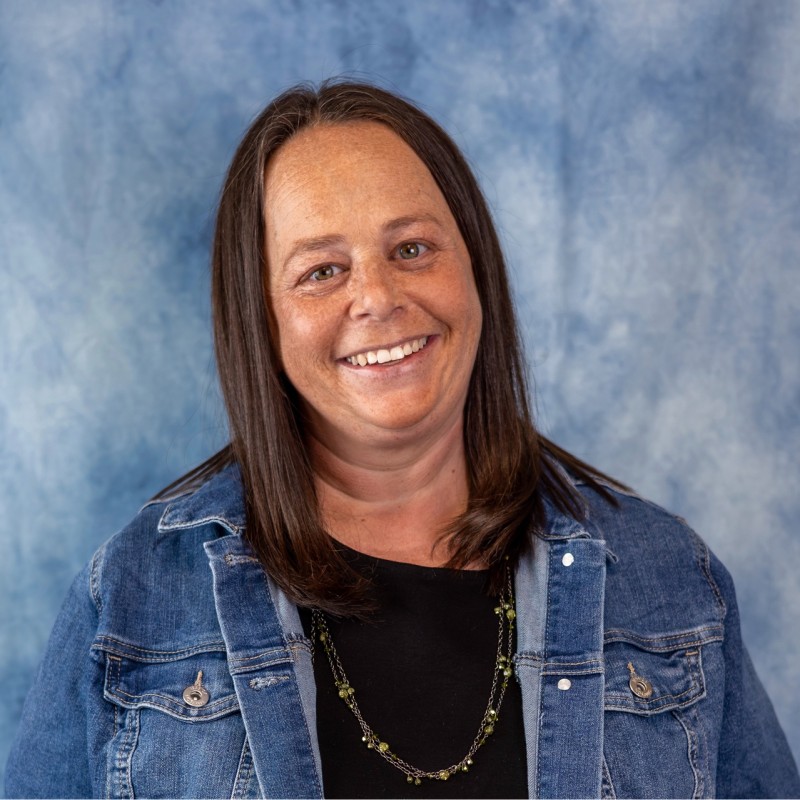 Jori Broidy — Director, Open Wings Learning Community, a neurodiversity-affirming school in Kenosha and Milwaukee. openwingslearning.org
 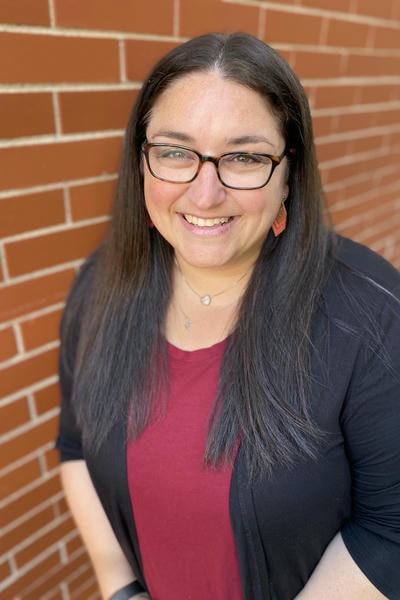 Stacey Glasenapp, MS LPC — Therapist at Shoreside Therapies, working with teens and the parents raising kids with extra needs. Work with Stacey
Also read: Why Wait for the Call? Inside Open Wings, a School Built Around Neurodiversity